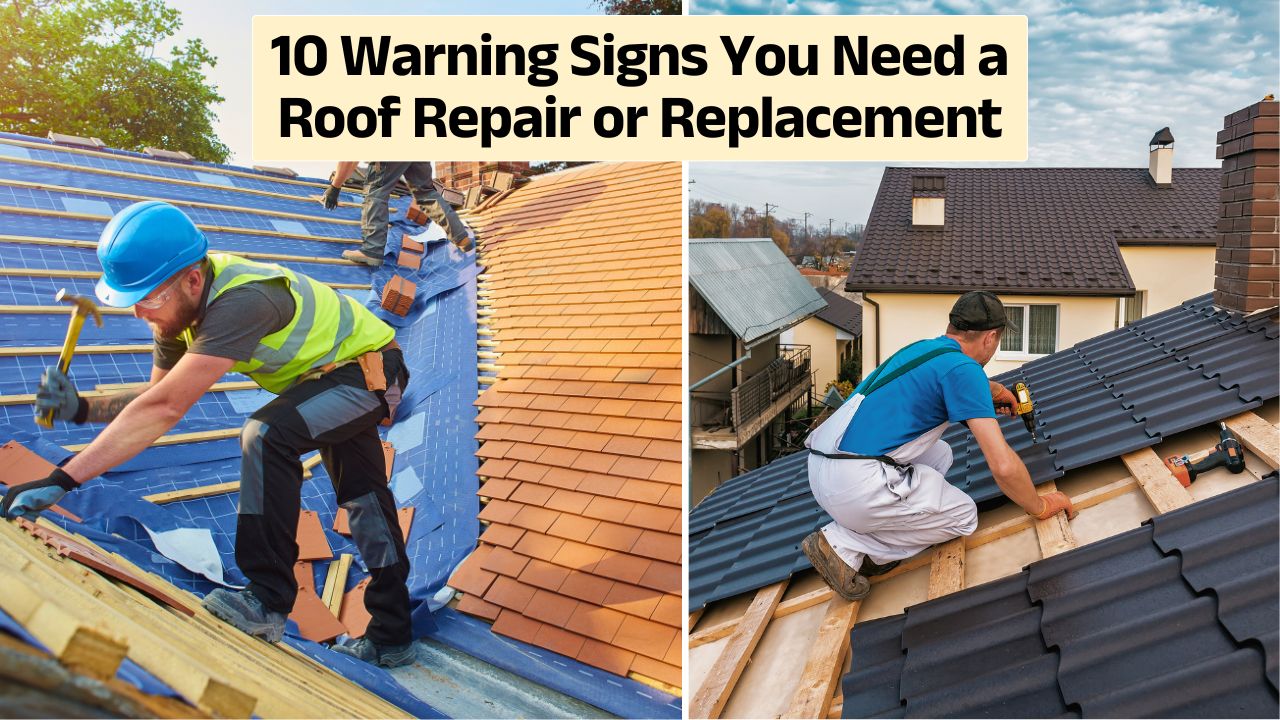
A roof protects your home from rain, wind, snow, and harsh sunlight. Yet, most homeowners don’t think about their roof until a leak or major problem appears. Knowing the signs of roof damage early can help you save money, avoid structural issues, and decide whether a Roof repair is enough—or if it’s time for a full replacement.
Table Of Contents
Why Recognizing Roof Problems Early Matters
A roof in poor condition can lead to water damage, mold growth, higher energy bills, and even structural failure. Regular roof inspections and paying attention to visible signs of damage can extend your roof’s lifespan and keep your home safe.
Visible Signs of Roof Damage
Missing or Damaged Shingles
If shingles are cracked, curling, or missing altogether, your roof’s protective layer is compromised. Damaged shingles let water seep into the underlayment, leading to leaks and rot.
Granules in the Gutters
As asphalt shingles age, they shed granules that often end up in your gutters. Excessive granule loss means the shingles are nearing the end of their life and may need replacing.
Water Stains on Ceilings and Walls
Brown or yellow stains inside your home usually indicate a roof leak. Even small leaks can worsen over time, damaging insulation and drywall.
Moss, Mold, or Algae Growth
While some algae streaks are cosmetic, heavy moss or mold growth traps moisture against shingles. Over time, this accelerates roof decay and increases the risk of leaks.
Structural Signs You May Need a Roof Replacement
Sagging Roof Deck
If you notice a dip or sag in your roofline, it’s a serious warning sign. A sagging roof often points to structural issues like rotting decking or failing support beams, which require immediate professional attention.
Age of the Roof
Most asphalt shingle roofs last about 20–25 years, while metal, tile, or slate can last much longer. If your roof is near or past its expected lifespan, replacement is often the best option, even if it looks fine on the surface.
Frequent Repairs
If you find yourself scheduling roof repairs multiple times a year, it may be more cost-effective to invest in a full replacement.
Energy Efficiency and Roof Performance
Rising Energy Bills
A failing roof allows air to escape and reduces insulation efficiency. If your heating or cooling costs are suddenly higher, your roof might not be performing as it should.
Poor Ventilation
Proper attic ventilation prevents heat and moisture buildup. If your attic feels excessively hot in summer or you notice condensation in winter, your roof system may need upgrades.
When Roof Repairs Are Enough
Not all damage means you need a new roof. In cases like:
- Small leaks around a vent or chimney.
- Isolated shingle damage.
- Minor flashing issues.
A skilled roofing contractor can repair the problem and extend your roof’s life.
When It’s Time to Replace Your Roof
You should consider replacement if:
- More than 30% of your shingles are damaged.
- Your roof is over 20 years old.
- You’re experiencing recurring leaks.
- There are structural concerns like sagging or rotting.
A new roof improves your home’s value, boosts curb appeal, and offers better protection for years to come.
Professional Roof Inspections
Hiring a professional roofer for regular inspections—ideally once a year—can help identify issues before they become serious. Experts can spot hidden problems such as underlayment damage, flashing gaps, or moisture in the decking that a homeowner might miss.
For additional homeowner resources, the National Roofing Contractors Association provides guidance on roof care and maintenance. You can also explore Energy.gov’s roofing advice for tips on improving energy efficiency through roofing systems.
Final Thoughts
Your roof is your home’s first line of defense. Paying attention to warning signs like leaks, missing shingles, and high energy bills can help you decide whether a repair or replacement is the right choice. Acting early not only protects your home but also saves money in the long run.
FAQs
How can I tell if my roof needs repair or replacement?
If the damage is localized—like a few missing shingles or a small leak—repairs are often enough. But if your roof is older than 20 years, has widespread shingle loss, or shows signs of sagging, a replacement is usually the better option.
What are the most common signs of roof leaks?
Common signs include water stains on ceilings, mold or mildew in the attic, damp insulation, or dripping water during rain. Even small leaks should be addressed quickly to prevent further damage.
How long does an average roof last?
Asphalt shingle roofs typically last 20–25 years. Metal, tile, and slate roofs can last 40–100 years with proper maintenance. Weather, installation quality, and ventilation all affect roof lifespan.
Can roof repairs extend the life of my roof?
Yes, timely roof repairs can add several years of life to your roof. Fixing leaks, replacing damaged shingles, and maintaining flashing helps prevent bigger issues down the line.
How often should I schedule a roof inspection?
Most roofing experts recommend a professional inspection at least once a year and after major storms. Regular inspections catch small problems before they become costly repairs.